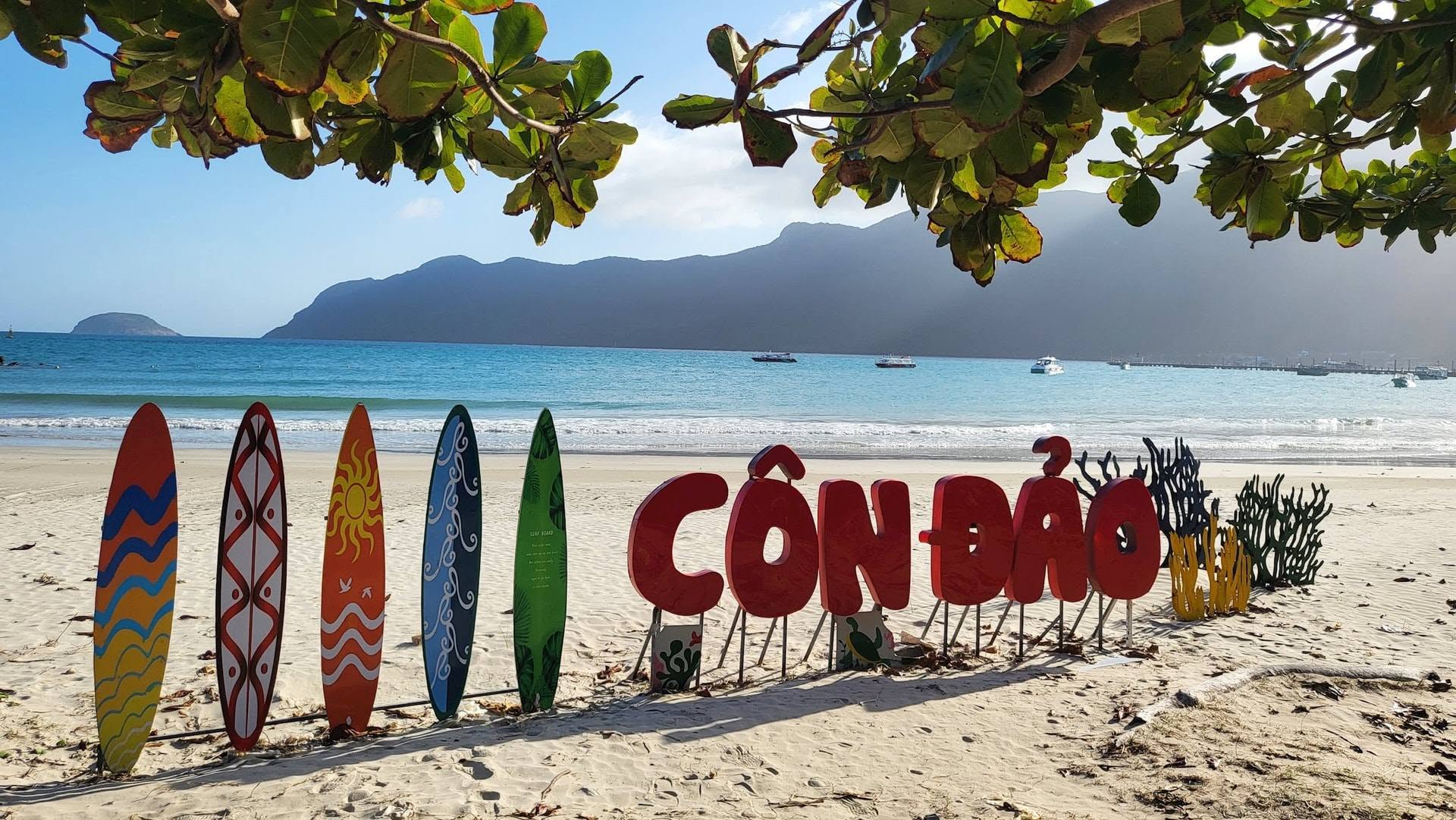

Lunar New Year’s Day on Con Dao: Tết Traditions, Temple Visits and Ferry Travel
Lunar New Year’s Day on Con Dao has a distinctive atmosphere, where the joy of spring on a Vietnamese island meets its rich cultural, spiritual and historical heritage. From paying respects at Hàng Dương Cemetery and visiting Núi Một Pagoda to exploring An Sơn Miếu, Miếu Cậu and the island’s natural scenery, the first day of Tết offers an opportunity to seek peace, remember the past and enjoy time with loved ones.
As the old year draws to a close, Con Dao welcomes spring in its own quiet way. Along tree-lined streets, in neighbourhoods and at places of worship, residents prepare for a new year with hopes of health, good fortune and peace.
The first day of Tết is particularly important for family reunions, visiting relatives, exchanging greetings and following traditional customs. For travellers, it is also a chance to explore local culture and discover how traditional beliefs, history and natural scenery shape island life.
When is Lunar New Year’s Day on Con Dao?
Tết Nguyên đán begins on the first day of the first lunar month in the Vietnamese calendar. It is one of Vietnam’s most significant traditional holidays, associated with family, remembrance of ancestors and wishes for a better year ahead.
Unlike Gregorian New Year’s Day on 1 January, Lunar New Year’s Day falls on a different Gregorian date every year. Travellers should check the lunar-to-Gregorian conversion for the specific year of their visit instead of reusing dates from the previous year.
Traditional ways to welcome spring on the island
Hàng Dương Cemetery: Honouring those who sacrificed their lives
Hàng Dương Cemetery is one of Con Dao’s most important memorial sites. Many revolutionaries and Vietnamese patriots who died during the prison era are buried here.
At the beginning of the year, some residents and travellers choose to offer flowers and incense in remembrance of the fallen, including Hero Võ Thị Sáu. An early-spring visit is a way of expressing gratitude to earlier generations and appreciation for the peaceful life enjoyed today.
Some visitors choose to come on New Year’s Eve or during the first day of Tết. However, visiting times, offerings and behaviour must comply with the cemetery’s current rules and management instructions.
Con Dao Memorial Temple: Remembering the past
Con Dao Memorial Temple honours President Hồ Chí Minh, fallen heroes, revolutionary fighters and patriots associated with the island’s history.
During the New Year holiday, residents and travellers may visit to offer incense, pay their respects and learn more about Vietnam’s struggles for independence. Visiting the temple together with Hàng Dương Cemetery can form a meaningful journey of remembrance.
Vân Sơn Tự (Núi Một Pagoda): A peaceful place to begin the year
Núi Một Pagoda, also known as Vân Sơn Tự, is a familiar Buddhist landmark on Con Dao. Set on a hillside, it offers a tranquil atmosphere with views towards An Hải Lake and the surrounding island landscape.
Visitors may offer incense and pray for health, peace and happiness for their families. The setting also encourages reflection on the past year and hopes for the next. Dress modestly, maintain a quiet atmosphere and follow the guidance of the pagoda’s caretakers.
An Sơn Miếu (Bà Phi Yến Shrine): Exploring local folk beliefs
An Sơn Miếu, commonly called Bà Phi Yến Shrine, is a significant place in Con Dao’s local spiritual traditions. The shrine is associated with the story of Bà Phi Yến, a figure revered by the community over generations.
At Tết, residents and travellers may visit to offer incense and express wishes for family harmony, peace and good fortune. Such a visit is also an opportunity to learn about island customs. The stories of Bà Phi Yến belong to local folklore; details that have not been historically verified should not be presented as proven events.
Miếu Cậu: A traditional shrine in Cỏ Ống
Miếu Cậu, also known as Prince Cải Shrine or Thiếu Gia Miếu, is in Cỏ Ống, near Con Dao Airport and Đầm Trầu Beach. According to local legend, it honours Prince Cải, a figure connected with the story of Bà Phi Yến and maternal love.
During the New Year, some people visit to offer incense and wish for health, safety and prosperity. For a coastal community, hopes for safe journeys at sea are also an important part of local spiritual life.
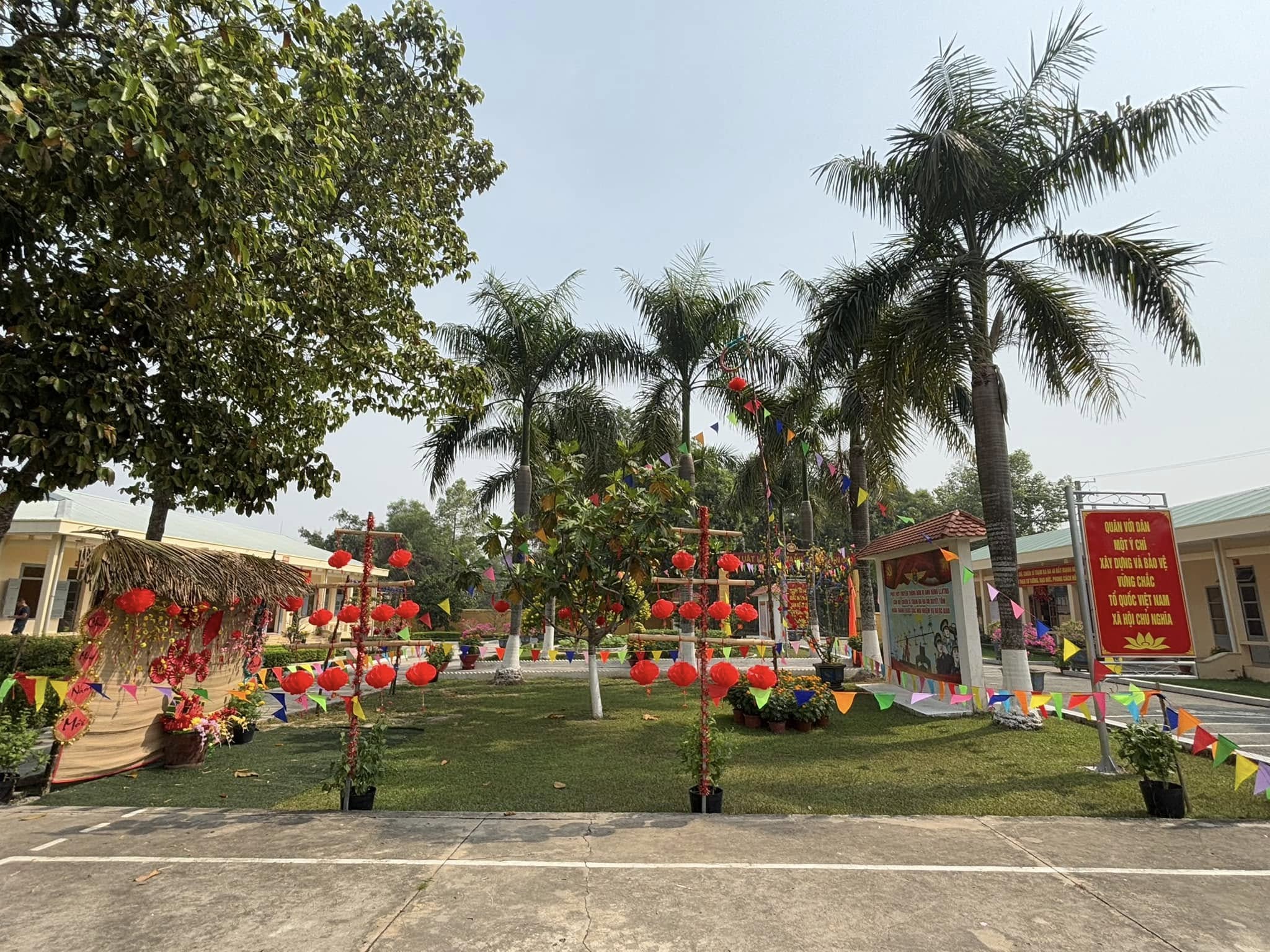
New Year greetings and spring outings on Con Dao
Alongside spiritual activities, Tết is a time for families to reunite and spend time together. Greetings, visits to relatives and neighbours, and family meals bring a warm rhythm to the island’s first day of the year.
Travellers can walk around the town centre, enjoy coastal roads, observe everyday life or relax at their accommodation. When the weather permits, scenic outings may include Bãi Nhát, Mũi Cá Mập, the Bến Đầm area and Đầm Trầu Beach.
There is not necessarily a large public festival on Con Dao every Lunar New Year’s Day. Spring fairs, performances or community events depend on the local programme announced for each particular year.
A suggested itinerary for the first day of Tết
Morning: Cultural visits and remembrance
Start the day by visiting Hàng Dương Cemetery and Con Dao Memorial Temple, subject to their actual opening hours. Afterwards, you could go to Núi Một Pagoda for a peaceful visit and views of the island.
Midday: Rest and enjoy local food
Return to your hotel or choose a restaurant that is operating during Tết. As some businesses may change their opening hours, check in advance.
Afternoon: Explore local shrines
Visit An Sơn Miếu to learn about the story of Bà Phi Yến, then continue to Miếu Cậu in Cỏ Ống. If time and weather allow, combine this with a visit to Đầm Trầu Beach.
Evening: Relax and enjoy the New Year atmosphere
Take a stroll through the town centre, enjoy the seafront or rest with your family. Anyone hoping to visit a memorial site after dark should confirm its permitted visiting times first.
This itinerary is an example, not a fixed organised tour. Adjust the timing and sequence according to your accommodation, the weather, opening hours and personal preferences.
Important travel tips for Lunar New Year’s Day
Book ferry tickets, flights and accommodation early
Demand for travel often increases during Tết. Ferry timetables and available seats vary depending on the operator, travel date and conditions at sea. Travellers are encouraged to plan ahead and confirm their arrangements.
When taking a high-speed ferry, check the operator, route, departure date, sailing time, check-in terminal, ticket price and refund or change conditions before paying. You can consult Con Dao ferry schedules and reference ferry fares directly on vetaucondao.vn.
Not every operator or route necessarily runs on the first day of Tết. Holiday services must be confirmed from current notices and actual operating schedules.
Check sea conditions and the weather forecast
Lunar New Year usually falls in a period when Con Dao can be affected by the northeast monsoon. Strong winds, large waves or rough seas may require ferry operators to delay, reschedule or suspend services for safety reasons.
Monitor the weather and announcements from the operator. Avoid arranging closely timed onward connections if your journey depends on ferry services.
Confirm transport options on the island
Taxi, electric vehicle and rental services may have fewer available vehicles or holiday pricing. Check fares, availability and pickup times before your trip. For a day involving several destinations, consider arranging transport in advance through your accommodation or a local provider.
Plan meals ahead
Some restaurants, cafés and small businesses may close or reduce their opening hours during Tết. However, it would be inaccurate to assume all establishments are closed on Lunar New Year’s Day. Ask your hotel or restaurants about their actual service hours and make reservations where appropriate.
Dress and behave respectfully at sacred and historical sites
At Hàng Dương Cemetery, Con Dao Memorial Temple, Núi Một Pagoda, An Sơn Miếu and Miếu Cậu, dress modestly, remain respectful and follow local customs.
Incense offerings, photographs and participation in rituals should follow the instructions of site staff. Avoid crowding, loud noise, prohibited burning of offerings and littering. Respectful behaviour matters much more than the monetary value of an offering.
Frequently asked questions
Is there a festival on Lunar New Year’s Day on Con Dao?
The day is primarily associated with family traditions, community life and local beliefs. Any organised public festival or event depends on the official schedule for the relevant year.
Can visitors pay respects at Hàng Dương Cemetery on the first day of Tết?
Visitors may plan to do so, but should confirm opening hours, visiting arrangements and site regulations.
Do high-speed ferries operate on the first day of Tết?
That depends on each operator’s holiday plan and sea conditions. Do not assume that all routes run or that all routes are suspended. Check the service for your exact date and direction of travel.
Is the first day of Tết a good time to visit Con Dao?
It can be a rewarding time for a quiet holiday, historical visits and cultural experiences. Plan essential services ahead and allow flexibility if transport or opening hours change.
A peaceful start to the year among Con Dao’s sea and sky
Lunar New Year’s Day on Con Dao offers a distinctive blend of island landscapes, traditional beliefs and historical memory. Among memorial sites, shrines, green streets and the open sea, visitors can explore local culture, honour earlier generations and enjoy meaningful time with loved ones.
For island residents, Tết remains a time to strengthen family bonds, celebrate community life and pass traditions to younger generations.
Celebrating Lunar New Year’s Day on Con Dao is more than a spring excursion. It is a chance to remember one’s roots, appreciate the present and welcome the year ahead with hope and gratitude.
Đọc bài viết bằng tiếng Việt · More Con Dao events.