
27 July on Con Dao: Honouring Martyrs, War Invalids and Former Political Prisoners
Every year on 27 July, Vietnam’s War Invalids and Martyrs Day, Con Dao becomes an especially meaningful destination for those wishing to remember fallen heroes, honour wounded veterans and meet former political prisoners who endured years of struggle and imprisonment. Amid today’s peaceful island landscape, its historical sites and cemeteries preserve the memory of generations who sacrificed for independence and freedom.
As July returns, Con Dao takes on a quieter atmosphere. Among the casuarina trees, coastal breezes and historic sites that witnessed great suffering, flowers and incense are offered in gratitude to those who never returned.
Once described as a place of exceptionally harsh imprisonment, Con Dao was home to a prison system for 113 years, from 1862 until 1975. That painful period also revealed the resilience of Vietnamese revolutionaries, patriots and political prisoners. Today, Con Dao is both an island destination and an important place of historical education.
27 July and Vietnam’s tradition of gratitude
On 27 July 1947, Vietnam’s first nationwide War Invalids Day was observed in Thái Nguyên, following the initiative of President Hồ Chí Minh to recognise and care for those wounded in the struggle to defend the country.
Over time, 27 July became known as War Invalids and Martyrs Day, an important annual commemoration in Vietnam. It is an opportunity to remember those who lost their lives, express gratitude to wounded veterans and others who contributed to the country, and support families who endured the loss of loved ones.
The significance of the day extends beyond ceremonies. It involves caring for those who served, protecting historic places and helping younger people understand earlier generations’ experiences. On Con Dao, these themes are particularly moving because of the island’s history of detention, exile and sacrifice.
Con Dao: Remembering those who never returned
Throughout its 113-year history, the prison system held generations of detainees, including many revolutionary activists and Vietnamese patriots.
Historical accounts estimate that approximately 20,000 people died while imprisoned on Con Dao. This is an estimate for the entire history of the prison system, not the number of identified graves in any single cemetery.
Those who died came from many regions of Vietnam. Some were imprisoned at a young age; others endured years of confinement far from their families. Notable figures remembered here include Lê Hồng Phong, Nguyễn An Ninh, Võ Thị Sáu and Cao Văn Ngọc, alongside many others.
Unidentified graves and former collective burial sites also preserve the memory of people whose names and personal histories have not been fully recovered. Each gravestone, memorial and surviving prison structure helps tell this difficult chapter of the island’s past.
The Con Dao Prison complex
Sites such as Phú Hải, Phú Sơn and Phú Tường prisons, the French Tiger Cages and the American-era Tiger Cages bear witness to the harsh conditions imposed on prisoners. Behind their walls were people who endured hunger, illness, interrogation, punishment and separation from loved ones.
Despite these circumstances, many political prisoners continued to study, support one another and maintain their convictions. The idea of turning prison into a place of revolutionary learning became an important part of the history of resistance on Con Dao.
Historic Pier 914: A reminder of forced labour
Historic Pier 914 is associated with forced labour during the French colonial period. Prisoners were made to quarry stone, carry construction materials and work in extremely difficult conditions. The number 914 is traditionally associated with remembering prisoners who died during the pier’s construction. Today, it serves as a reminder of suffering linked to the prison system.
Hàng Dương Cemetery: A place of remembrance
Hàng Dương Cemetery is among Con Dao’s most significant memorial sites. Covering nearly 20 hectares, it contains more than 1,900 graves, many of which remain unidentified. Among those remembered here are Lê Hồng Phong, Nguyễn An Ninh, Võ Thị Sáu and numerous other revolutionaries and patriots.
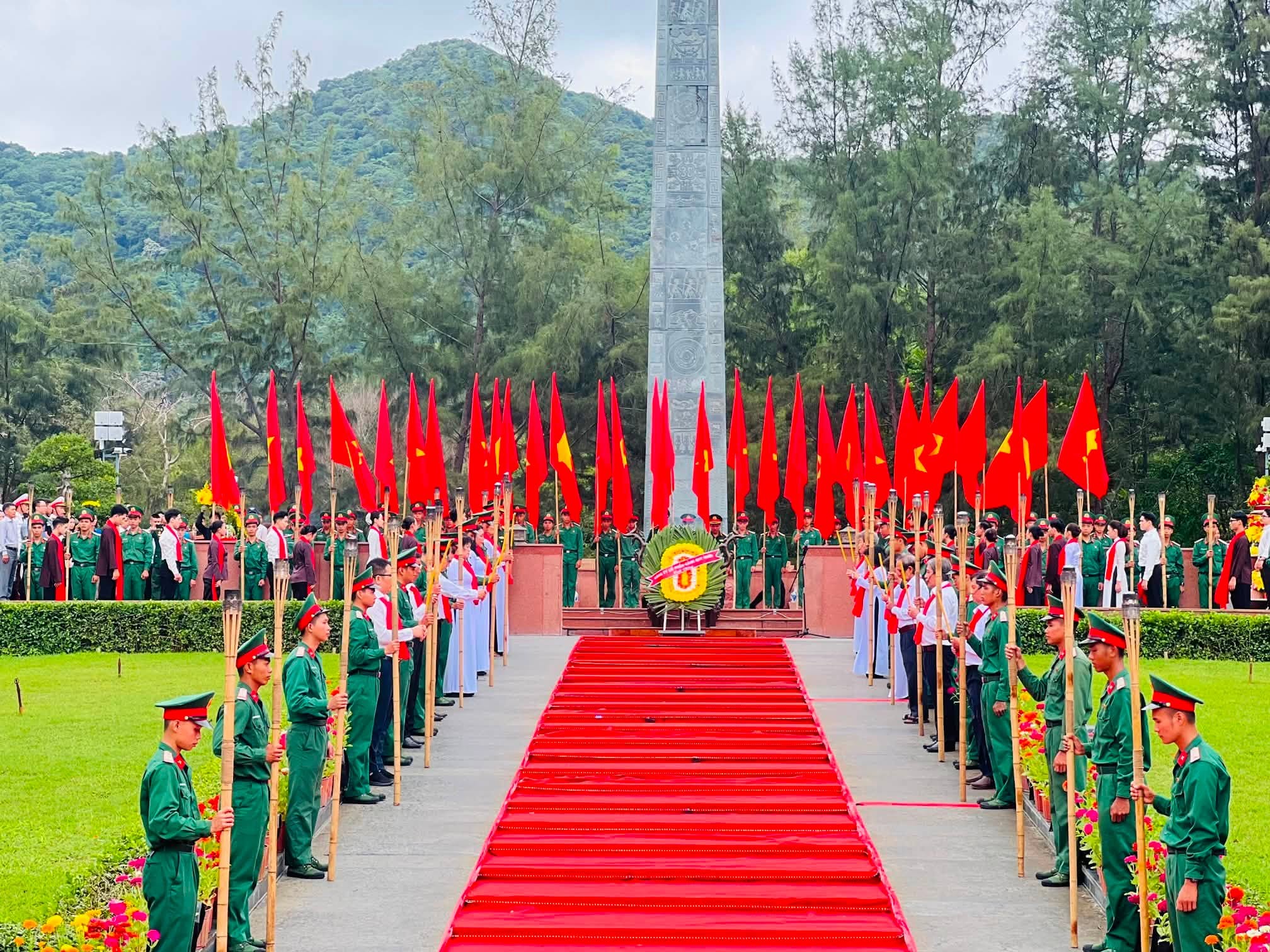
Around War Invalids and Martyrs Day, the cemetery may host flower and incense offerings, memorial services and candle-lighting activities, according to the programme announced for each year.
The lights and incense offered beside the graves express gratitude to those who died. Alongside official delegations, veterans and families, local residents and travellers also choose to visit in quiet remembrance. The cemetery is more than a sightseeing stop: it is a place to learn about courage, solidarity and the lives behind recorded historical names.
Meaningful ways Con Dao commemorates 27 July
The day may be marked on Con Dao by memorial events and community activities organised by public authorities, associations and local groups.
Offering flowers and incense at memorial sites
Delegations, service personnel, veterans, former political prisoners and residents may pay respects at Hàng Dương Cemetery, Hàng Keo Cemetery and Con Dao Memorial Temple. These ceremonies honour those who died in the struggle for national independence and invite reflection on the consequences of war and imprisonment.
Candle-lighting ceremonies at Hàng Dương Cemetery
Lighting candles is a meaningful form of remembrance on major anniversaries. Ceremony times vary from year to year. Visitors should not assume that an official event always takes place on the evening of 26 July or in the early hours of 27 July. Check announcements from the relevant organisers.
Meeting former political prisoners
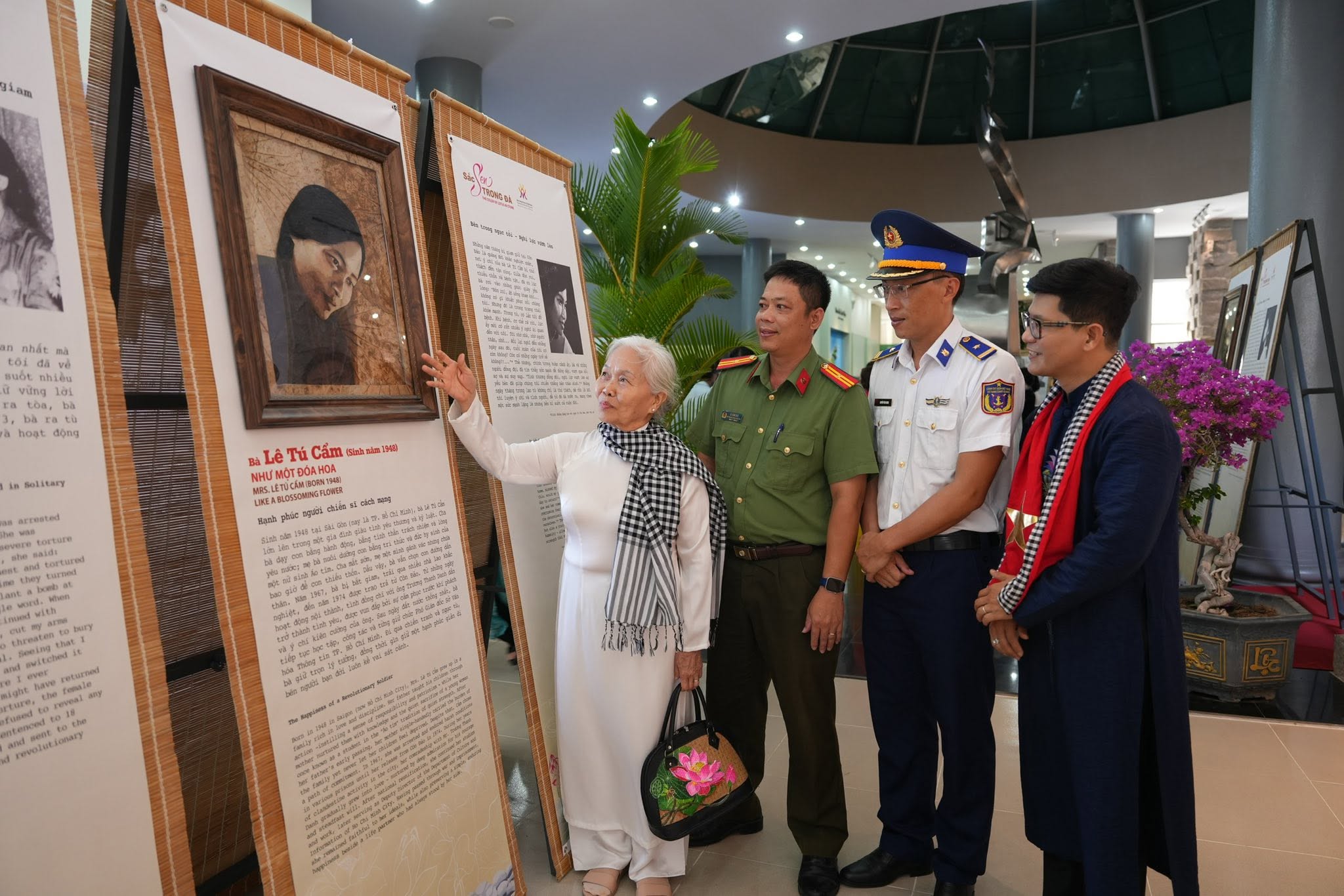
For many former detainees, Con Dao holds deeply personal memories of their youth. Some spent years in detention under harsh conditions while maintaining their determination and solidarity with fellow prisoners. Returning to the island can be an opportunity to remember those who died, reunite with comrades and share experiences with younger generations.
Through these first-hand testimonies, history becomes more than dates and statistics: it is understood through individual experiences, relationships and the hardships endured by real people.
Supporting wounded veterans and families of the fallen
Alongside memorial ceremonies, visiting and supporting wounded veterans, relatives of martyrs and others recognised for their service remains central to Vietnam’s tradition of gratitude. Practical assistance, care and encouragement demonstrate a community’s responsibility towards those who sacrificed or endured hardship.
Former political prisoners: Living witnesses to Con Dao’s history
Former political prisoners experienced the prison system directly, witnessed resistance inside the prisons and carry memories of comrades who never returned. After peace was restored, many contributed to community life, historical education, preservation of records and the passing on of personal testimonies.
Their stories illuminate daily life in detention, solidarity between prisoners and the ways they maintained their dignity and convictions. Meetings between former detainees and students offer rare opportunities to learn directly from those who experienced this history.
Honouring former political prisoners is both an expression of gratitude and a way to safeguard Con Dao’s historical memory.
27 July is different from Con Dao’s collective memorial day
Con Dao observes several commemorative dates connected with the country’s history. Two occasions may both involve remembrance, but have different origins and calendars.
27 July in the Gregorian calendar is Vietnam’s nationwide War Invalids and Martyrs Day, honouring martyrs, wounded veterans, people who contributed to the country and their families.
By contrast, the 20th day of the sixth lunar month is associated with Con Dao’s collective remembrance of revolutionaries and patriotic prisoners who died on the islands. The tradition began in 2012, reflecting the wishes of former political prisoners and the community.
They may fall close together in some years, but these are not the same event. Understanding the distinction helps visitors plan and appreciate the meaning of each commemoration.
Planning a respectful historical visit around 27 July
War Invalids and Martyrs Day is a meaningful time for families, schools and travellers interested in Vietnam’s history to visit Con Dao. An itinerary might include Con Dao Museum, the former prison complex, Historic Pier 914, Hàng Dương Cemetery, Hàng Keo Cemetery and Con Dao Memorial Temple.
At each site, take time to read historical materials, listen to guides and learn about the people connected with it.
- Dress respectfully and maintain a solemn manner at memorial sites.
- Follow the guidance of cemetery, temple and heritage-site staff.
- Avoid crowding, excessive noise and ceremonies outside designated areas.
- Limit plastic waste, choose suitable offerings and protect the surroundings.
- Confirm official arrangements before attending a particular ceremony.
July falls within Con Dao’s rainy season. If travelling by ferry, monitor sea conditions and reconfirm your sailing. See Vung Tau–Con Dao ferry schedules and other travel information on this website.
A meaningful heritage visit need not be rushed. Allow time to learn, reflect and appreciate the history preserved at each place.
From historical memory to responsibility today
Con Dao today looks very different from the islands of the prison era. Roads, schools, neighbourhoods and tourism services have developed, while its historical sites remain essential parts of the island’s identity.
Yet development does not erase the memories of those who suffered and died here. Every cared-for grave, preserved record and historical account shared with younger generations connects the past with the present.
Gratitude today means more than remembering the dead. It also means caring for people who served, protecting heritage, valuing peace and contributing to a sustainable future.
On Con Dao, 27 July is more than an anniversary. It is an invitation to return to history, honour sacrifice and recognise those who dedicated their lives to their country.
Across the island’s sea and sky, the memory of fallen heroes, wounded veterans and former political prisoners continues to be passed down, reminding each generation of the value of independence, freedom and the responsibilities of the future.
Đọc bài viết bằng tiếng Việt · Read about remembrance on 22 December.