

22 December on Con Dao: Vietnam People’s Army Day and the Tradition of Remembrance
Every 22 December marks the founding of the Vietnam People’s Army and All-People’s National Defence Day. On Con Dao, the occasion also invites reflection on patriotism, the struggle for independence and the Vietnamese tradition of gratitude towards those who sacrificed their lives for the country.
Today’s peaceful island landscape stands alongside memorials, cemeteries and former prison buildings that preserve memories of generations of revolutionaries and Vietnamese patriots. On 22 December, these places provide an opportunity not only to revisit the history of the armed forces, but also to reflect on the value of peace and the responsibility to preserve it.
22 December 1944: The origins of the Vietnam People’s Army
In December 1944, as the revolutionary movement developed, Hồ Chí Minh ordered the establishment of the Vietnam Propaganda Liberation Army (Đội Việt Nam Tuyên truyền Giải phóng quân).
The force was formally established on 22 December 1944 in a forest in the Nguyên Bình area of Cao Bằng. It initially consisted of 34 officers and soldiers divided into three squads, with Võ Nguyên Giáp responsible for its organisation, leadership and command.
Hoàng Sâm served as commander, while Xích Thắng (Dương Mạc Thạch) served as political commissar. Hoàng Văn Thái was in charge of planning and intelligence, and Vân Tiên (Lộc Văn Lùng) of administration. The unit had its own Party organisation.
With only 34 personnel and a limited collection of weapons, the new force was small, but its members had experience in revolutionary and guerrilla activities. Its early relations with local residents expressed a principle that would become central to the military’s identity: a close connection with the people.
Within days, the unit won its first two engagements at Phai Khắt on 25 December 1944 and Nà Ngần on 26 December 1944. These victories became important milestones in the development of Vietnam’s revolutionary armed forces.
From its original 34 members, the force grew through successive stages of struggle and national development. The date 22 December 1944 is recognised as the founding day of the Vietnam People’s Army.
All-People’s National Defence Day: Why the same date matters
In 1989, 22 December was also designated All-People’s National Defence Day, underscoring the role and responsibilities of citizens in strengthening national defence and protecting the country.
This observance reaches beyond the armed forces. It encourages the public to reflect on national history, solidarity, the relationship between the military and civilians, and the shared responsibility for safeguarding peace.
The character of Vietnamese soldiers is often expressed in the phrase Bộ đội Cụ Hồ, a reference to the ideals of dedication, resilience, responsibility and service to the people associated with Hồ Chí Minh’s soldiers.
Activities associated with the day may include historical education, meetings with veterans, visits to families of fallen soldiers, commemorations and community programmes. For younger generations, these occasions can build a deeper understanding of the sacrifices that shaped the country’s history.
Con Dao: Where the history of struggle meets remembrance
Con Dao occupies a distinctive place in Vietnam’s history of resistance and national independence.
From 1862 to 1975, its prison system was used to hold generations of revolutionaries and patriots. The years of imprisonment brought great suffering, but they also left records of steadfastness, solidarity and resistance among prisoners.
Within the prisons, many political detainees organised learning, supported one another and continued to resist harsh treatment. Some did not live to return to the mainland, and their stories are now inseparable from the island’s heritage.
Historical figures associated with Con Dao include Lê Hồng Phong, Nguyễn An Ninh and Võ Thị Sáu, alongside many other revolutionaries and patriots.
Not everyone imprisoned on Con Dao was a member of the armed forces. Their experiences nevertheless form part of the wider history of Vietnam’s struggle for independence. Exploring these sites around 22 December offers a broader perspective on patriotism, solidarity and the human cost of conflict.
Meaningful places of remembrance on Con Dao
Hàng Dương Cemetery: Honouring those who died
Hàng Dương Cemetery is one of the island’s most important memorial sites. It contains graves and commemorative spaces associated with generations of revolutionaries and patriots who died during the prison era.
Visitors can offer flowers or incense, observe a moment of silence and learn about the lives and sacrifices of those remembered here. The solemn atmosphere is also a reminder of the cost of war and the importance of peace.
Hàng Keo Cemetery: Remembering those who never returned
Hàng Keo Cemetery is linked to an earlier, painful period in the history of imprisonment on Con Dao. Prisoners who died during detention and forced labour were buried here.
Remembering them reflects the Vietnamese principle of gratitude to past generations, including those whose names or individual graves have not survived in the historical record.
Con Dao Memorial Temple: Reflection and education
The Con Dao Memorial Temple commemorates Hồ Chí Minh, fallen revolutionaries, patriotic prisoners and others who died in connection with the island’s history.
It offers a dignified setting for remembrance and historical education, including visits by students, community groups and travellers wishing to understand the country’s past.
Historic Pier 914: A witness to forced labour
Historic Pier 914 is another landmark associated with Con Dao’s prison history. Built during the French colonial period, the structure relied on the forced labour of prisoners who were made to quarry and move stone.
The number 914 has become a memorial reference to those who died in the course of this work. Today the pier stands as a reminder of both suffering and the determination of those who endured imprisonment.
The Con Dao Prison complex: Lessons for future generations
The prison complex includes sites such as Phú Hải Prison, Phú Sơn Prison and the Tiger Cages. Its surviving buildings and exhibits allow visitors to learn more about detention conditions and the efforts of political prisoners to preserve their dignity and beliefs.
The sites have a particularly important educational role for younger generations seeking to understand Vietnam’s history through places where events unfolded.
Continuing the tradition of solidarity and protecting the islands
Con Dao is not only a historic destination. Its maritime location also gives it importance in the protection of Vietnam’s waters and the development of its marine economy.
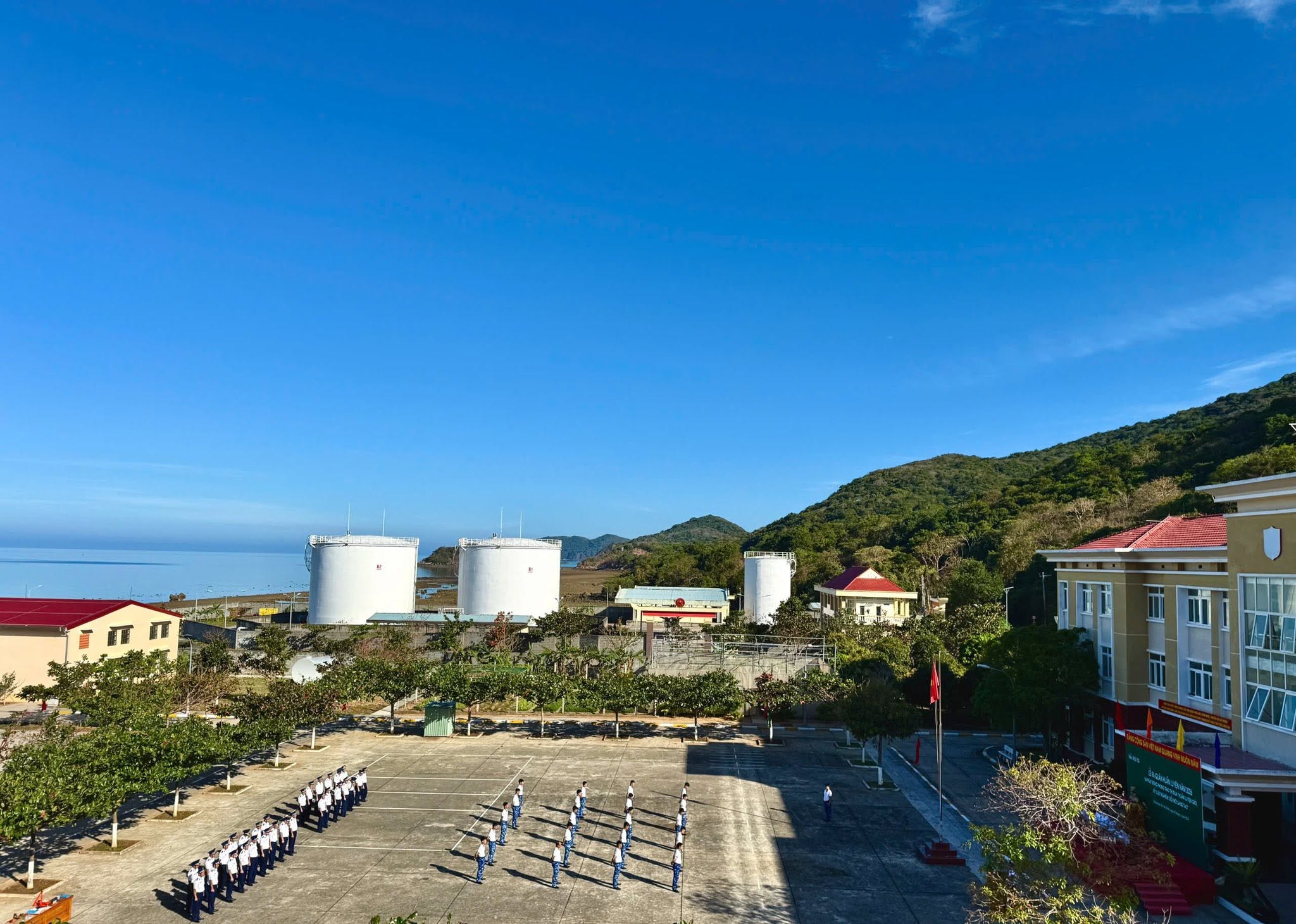
Service personnel carrying out maritime security, public-safety and community-support duties continue the tradition of close relations between the armed forces and civilians.
Helping communities during severe weather, supporting public safety and protecting conditions for peaceful daily life are practical ways in which this tradition remains relevant. For island residents and travellers alike, it provides a link between remembrance and the responsibilities of the present.
22 December on Con Dao: A journey of history and gratitude
Schools, families, veterans’ groups and visitors may choose to mark 22 December by visiting heritage sites and places of remembrance.
A meaningful route could begin at the former prison facilities to understand their history, continue to the memorial temple and end at the cemeteries to pay respects to those who died.
When visiting, dress appropriately, keep a respectful manner, follow the site’s rules and help protect the surrounding environment.
Important: Official ceremonies, access arrangements and community events can vary by year. This article explains the history and significance of 22 December; it is not confirmation of a particular ceremony, place or start time. Check announcements by the relevant local authority or organiser if you plan to attend an official event.
Preserving memory, valuing peace
Since 22 December 1944, the Vietnam People’s Army has undergone a long process of development alongside the country’s history. Its military achievements, the sacrifices of successive generations and the tradition of cooperation with the population have shaped its role in national life.
On Con Dao, every memorial, grave and account of a former political prisoner reminds visitors that independence and peace came at a human cost.
22 December on Con Dao is therefore not only a day to honour the history of the Vietnam People’s Army. It is also a reminder of gratitude, the duty to preserve historical memory and the value of peaceful life today.
From the island’s painful past to its calm coastal landscapes, the tradition of remembrance continues to connect generations and keep the lessons of history alive.
Đọc bài viết bằng tiếng Việt · Remembering Võ Thị Sáu on 23 January.