
6 September on Con Dao: Remembering General Secretary Lê Hồng Phong (1902–1942)
Every 6 September, Con Dao remembers General Secretary Lê Hồng Phong (1902–1942), a Vietnamese revolutionary leader who died in Con Dao Prison at the age of 40. His political career, final days at Phú Sơn Prison and grave at Hàng Dương Cemetery are important chapters in the island’s history and Vietnam’s struggle for independence.
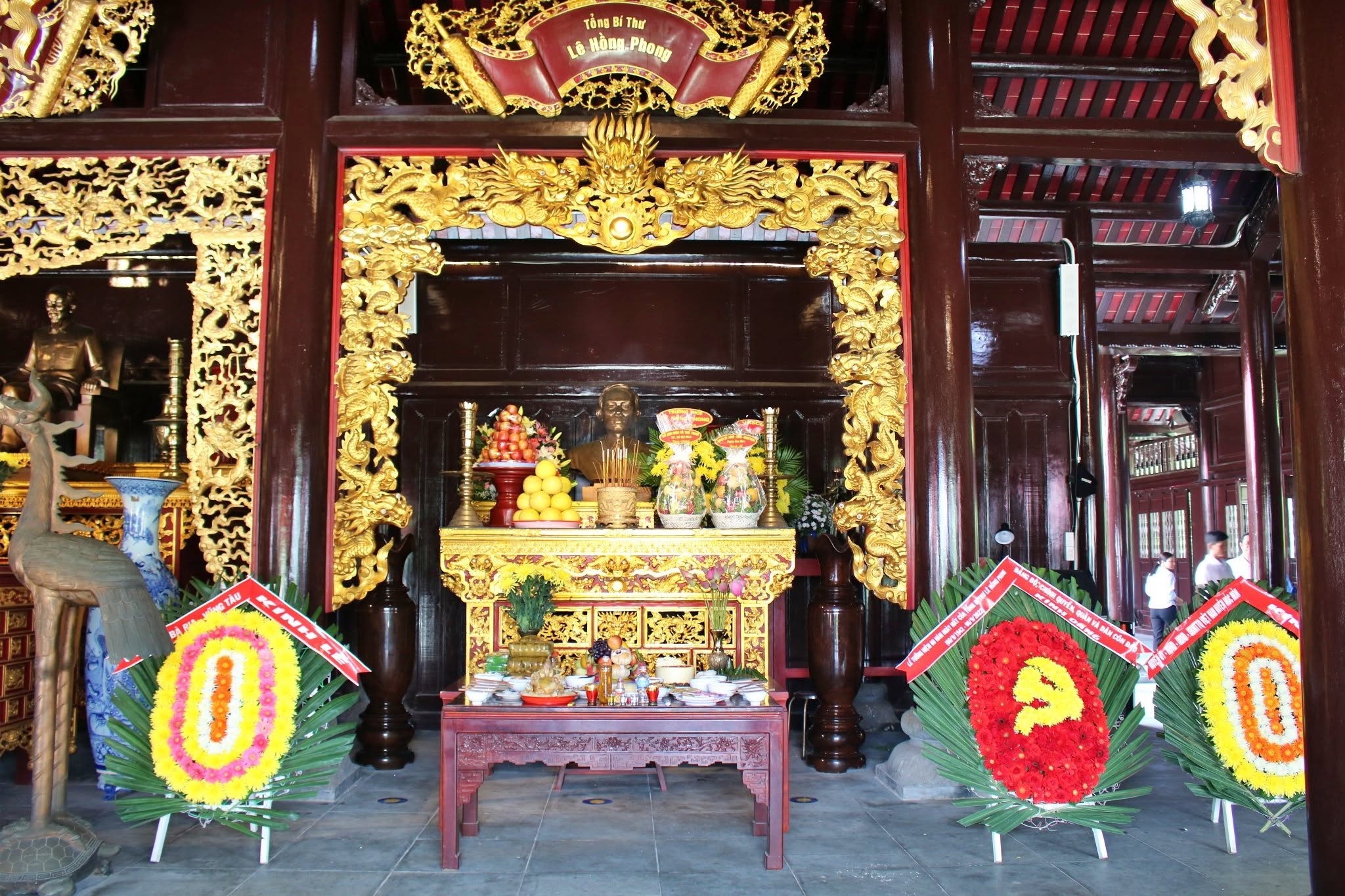
In the solemn setting of Hàng Dương Cemetery, Lê Hồng Phong’s grave is a place where residents and visitors come to pay their respects. He worked in several countries and contributed to rebuilding revolutionary organisations during a particularly difficult period before being arrested and exiled to Con Dao by the French colonial authorities.
He died on 6 September 1942, following prolonged imprisonment under harsh conditions. More than eight decades later, his story is preserved through memorial activities, historical education and visits to Con Dao’s heritage sites.
Lê Hồng Phong: From Nghệ An to revolutionary leadership
Lê Hồng Phong, whose birth name was Lê Huy Doãn, was born on 6 September 1902 in the Hưng Nguyên area of Nghệ An. As a young man, he witnessed the difficulties faced by people under colonial rule. He later worked in the Vinh–Bến Thủy area, where he encountered patriotic activities.
In 1924, Lê Hồng Phong, Phạm Hồng Thái and several other young Vietnamese patriots travelled abroad, passing through Thailand before reaching China to pursue revolutionary activities. In Guangzhou, he joined Tâm Tâm xã, an organisation formed by patriotic Vietnamese youth living overseas.
He subsequently met Nguyễn Ái Quốc, participated in the Vietnamese Revolutionary Youth Association and received political and organisational training. This period marked his transition from a patriotic young man to an activist working within an organised revolutionary movement.
Education and activities in the Soviet Union
Between 1926 and 1931, Lê Hồng Phong studied at military and political training institutions. After attending the Whampoa Military Academy in China, he went to the Soviet Union, where he undertook training related to military and aviation studies and continued his education at the Communist University of the Toilers of the East.
This experience helped him develop organisational knowledge and connections within international revolutionary movements. By the end of 1931, he returned to China and became involved in restoring Party organisations at a time when the revolutionary movement in Indochina faced intense repression.
His role in rebuilding the Indochinese Communist Party
In the early 1930s, many revolutionary leaders had been arrested, local organisations disrupted and communications between activists severely restricted. Against this background, Lê Hồng Phong helped rebuild organisational structures and strengthen the Indochinese Communist Party’s activities.
In 1934, he and his comrades established the Overseas Leadership Committee of the Party in Macao, playing an important role in coordination and preparations for the first Party Congress.
March 1935: Becoming General Secretary
In March 1935, the first National Congress of the Indochinese Communist Party was held in Macao, China. Lê Hồng Phong was elected General Secretary of the Party’s Central Committee and served in that position from March 1935 to July 1936.
The period was significant for consolidating the organisation, refining its direction and sustaining revolutionary activities under difficult circumstances.
July 1935: Participation in the Seventh Congress of the Communist International
In July 1935, Lê Hồng Phong led the Party delegation to the Seventh Congress of the Communist International in Moscow. He was elected to the Executive Committee of the Communist International.
The event reflected his role in maintaining links between the Vietnamese revolutionary movement and international communist organisations at that time. In subsequent years, he continued to take part in leadership and organisational work in Indochina.
Arrests and exile to Con Dao
In November 1937, Lê Hồng Phong returned to Vietnam and worked under the alias La Anh. Amid rapid political changes in Indochina, he continued organising revolutionary activities in southern Vietnam.
On 22 June 1939, he was arrested by French colonial security forces in Saigon, sentenced to six months’ imprisonment and subjected to restrictions on his place of residence. Late that year, he was placed under supervision in Nghệ An.
In early 1940, he was arrested again and detained at Saigon’s central prison. By the end of 1940, French colonial authorities had exiled him to Con Dao. A man who had worked in China, the Soviet Union and several regions of Vietnam was now held in a prison system on islands far from the mainland.
His final days at Phú Sơn Prison on Con Dao
On Con Dao, Lê Hồng Phong experienced particularly severe conditions of confinement. Historical accounts and former prisoners’ recollections associate his detention with the isolation area of Banh II, now part of the Phú Sơn Prison historical site.
Prisoners faced inadequate food, illness and punishment. As a former senior Party leader, Lê Hồng Phong was subject to especially close surveillance and harsh treatment.
The story of the bloodstained bowl of rice
One story passed down about his imprisonment describes him being beaten by prison guards while eating. According to these recollections, blood from his injuries fell into his bowl of rice, yet he continued eating in order to preserve his strength.
The account is often accompanied by words attributed to him that express defiance in the face of repression. Such details should be introduced as recollections and historical narratives, not as a verbatim record of dialogue made at the time.
6 September 1942: Lê Hồng Phong dies on Con Dao
His health deteriorated seriously after years of detention. Beatings, poor living conditions and illness left him increasingly weak.
According to memorial accounts, Lê Hồng Phong died around midday on 6 September 1942 in Cell No. 5 of Banh II’s isolation area, aged 40. Before his death, he is remembered as having sent a message to his comrades expressing confidence in the eventual success of the revolutionary cause.
That message has been preserved through historical writings and recollections. It remains part of the island’s memory of Lê Hồng Phong and invites reflection on resilience, conviction and the sacrifices made by generations of political prisoners.
Lê Hồng Phong’s grave at Hàng Dương Cemetery
Today, Lê Hồng Phong’s grave is situated in Section A of Hàng Dương Cemetery on Con Dao. Many delegations, residents and visitors come here to offer incense during journeys of remembrance.
The grave has been respectfully maintained and is accompanied by a memorial inscription and information about his life. Hàng Dương Cemetery is not only a resting place for well-known historical figures, but also a memorial to many revolutionaries, patriots and prisoners who died during the prison era.
The grave of patriot Nguyễn An Ninh is also located in Section A, alongside others who were imprisoned and died on Con Dao. Visiting these memorials offers an opportunity to understand a difficult period of the country’s history through individual lives.
Learn more about Hàng Dương Cemetery and its history.
6 September on Con Dao: Commemorating Lê Hồng Phong
6 September marks both Lê Hồng Phong’s birthday and the anniversary of his death. Memorial ceremonies, flower offerings and historical education activities have been organised on Con Dao on past anniversaries.
The 2026 commemorations
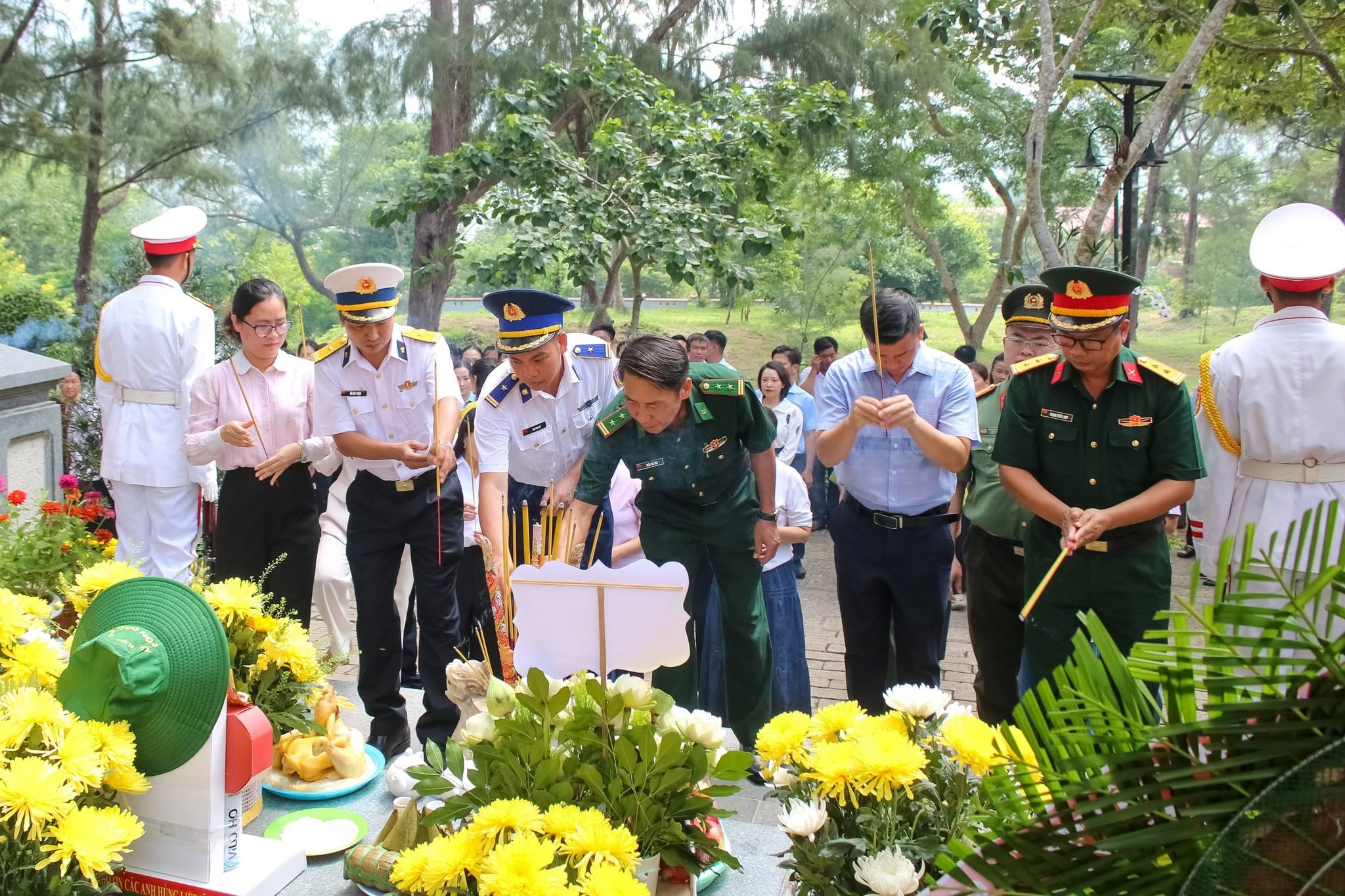
On 6 September 2026, local authorities held activities at Hàng Dương Cemetery and Con Dao Memorial Temple to mark the 124th anniversary of his birth and the 84th anniversary of his death.
Representatives of public bodies, community groups and local residents offered incense and flowers at his grave in Section A. Such commemorations also help younger generations learn about the island’s history.
Important: Although 6 September is the annual remembrance date, the exact time, venue and programme of each year’s official ceremony must be checked against announcements from the organisers. Details of an earlier ceremony should not be treated as a fixed schedule.
Following Lê Hồng Phong’s story through Con Dao’s historic sites
1. Hàng Dương Cemetery
Here visitors can pay respects at Lê Hồng Phong’s grave in Section A, read the memorial information and learn about the major milestones of his life and the many other people who died during imprisonment.
2. Phú Sơn Prison
Phú Sơn Prison, also called Banh II, forms part of the Con Dao Prison historical complex. The site is associated with Lê Hồng Phong’s final years under harsh detention conditions. Surviving cells, corridors and buildings provide a glimpse of prison life.
Further reading: Phú Sơn Prison historical site.
3. Con Dao Museum
The museum introduces the island’s history, its prison system and the struggles of political prisoners. It provides useful context for understanding Lê Hồng Phong’s experiences.
4. Con Dao Memorial Temple
The memorial temple honours those who died during Vietnam’s struggles for independence. Visitors may combine a visit with Hàng Dương Cemetery and the former prison sites.
At all these places, dress respectfully, keep a quiet manner, follow the staff’s instructions and help protect the surrounding heritage environment.
Lê Hồng Phong’s legacy for later generations
Lê Hồng Phong’s life was closely connected to the upheavals of early twentieth-century Vietnam. From the young man who left his hometown to pursue a path of national liberation, through years of education and activism abroad, to his role as General Secretary and his final imprisonment on Con Dao, he devoted much of his life to revolutionary activities.
His work in organisation-building and sustaining the movement during periods of repression forms an important part of Vietnam’s revolutionary history. The story of his final days also invites reflection on responsibility, conviction and human dignity in adversity.
6 September on Con Dao: Remembering a life of dedication
Under the trees of Hàng Dương Cemetery, Lê Hồng Phong’s grave remains a place of remembrance. From his activities overseas and leadership of the movement to his final days in Phú Sơn Prison, his life has become part of Con Dao’s historical memory.
The former prison buildings, records, former prisoners’ recollections and memorial activities connect the past with the present.
Remembering Lê Hồng Phong on 6 September honours his life, recognises those who sacrificed for national independence and invites each generation to value peace, freedom and responsibility towards their country.
Đọc bài viết này bằng tiếng Việt · Explore the Con Dao events calendar.