
2 September on Con Dao: Vietnam National Day and the Memory of Independence
Vietnam’s National Day on 2 September is a time to remember the historic autumn of 1945, honour those who sacrificed their lives for independence and explore the extraordinary experiences of Con Dao’s political prisoners as the Democratic Republic of Vietnam was established.
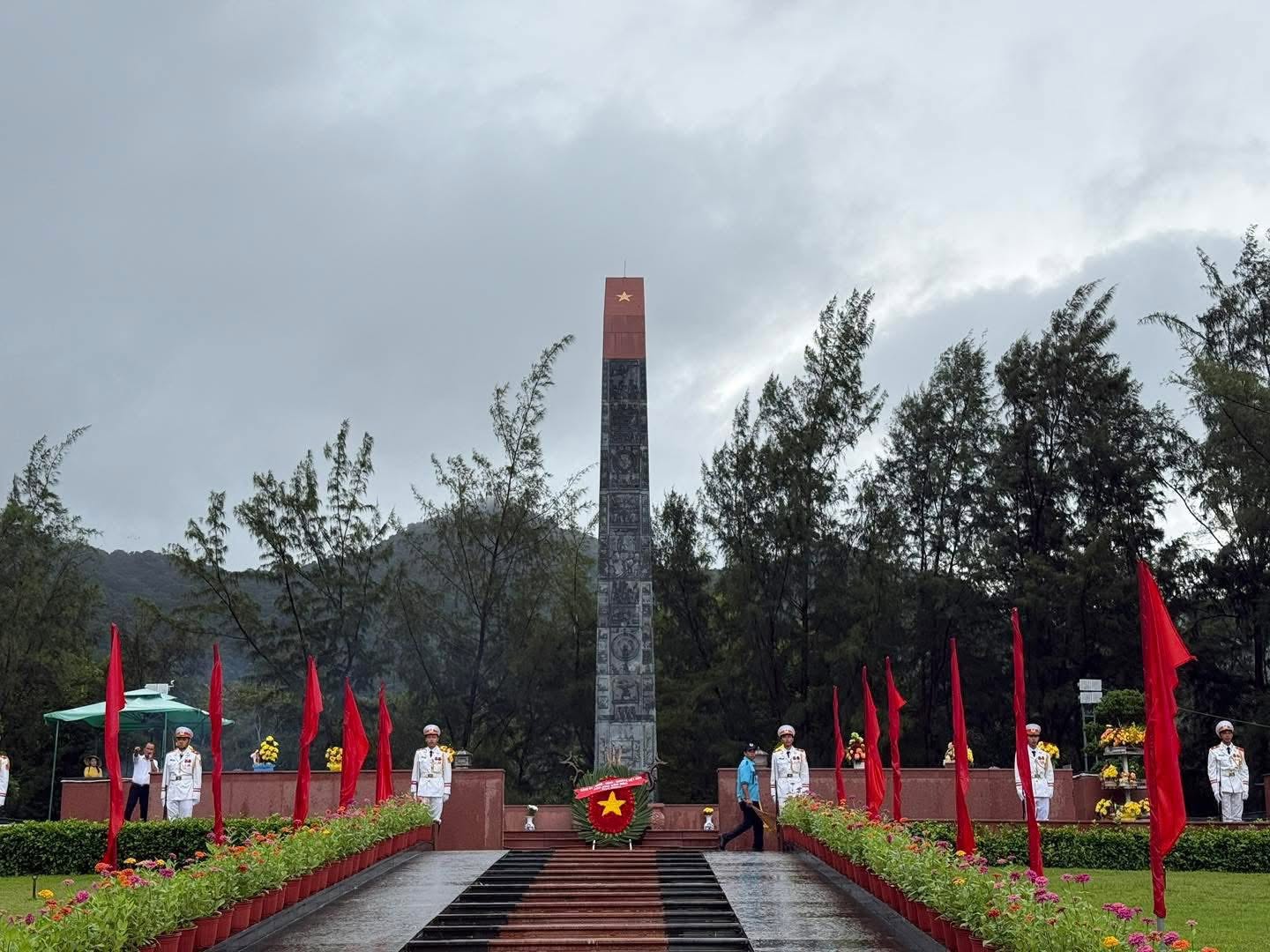
September brings a special atmosphere to Con Dao. Under the wide island sky, Vietnam’s red flag with a yellow star recalls the country’s long struggle for independence. Across the country, 2 September is a day of national pride. On Con Dao, it also carries a distinct layer of historical memory.
Once known as a place of exceptionally harsh imprisonment, the islands witnessed generations of resistance and sacrifice. Spending National Day here can be more than a holiday: it can deepen visitors’ appreciation of peace, freedom and national reunification.
2 September 1945: The birth of an independent Vietnam
On 2 September 1945, at Ba Đình Square in Hanoi, President Hồ Chí Minh read the Declaration of Independence on behalf of the Provisional Government, proclaiming the establishment of the Democratic Republic of Vietnam. The event marked the beginning of a new era in the country’s history.
While people on the mainland celebrated, political prisoners on Con Dao were still isolated at sea, awaiting news of the August Revolution’s success. They hoped to return to their families and contribute once again to a country that had just gained independence.
How news of independence reached Con Dao’s prisoners
A moving account of the autumn of 1945 survives in the recollections of former political prisoner Nguyễn Văn Hoành, also known as Tư Hoành.
According to his account, fellow prisoner Đặng Quang Minh (giáo Quang) learned that Hồ Chí Minh had read the Declaration of Independence while repairing equipment at the island’s wireless station. News of the momentous event spread quickly among the prisoners.
After years in detention, the announcement brought tremendous hope. The prisoners not only anticipated their release, but also began organising, negotiating with those in authority on the island and preparing for the changes ahead.
Despite its isolation, Con Dao was becoming part of the nationwide transformation in the first days of independence.
Con Dao during the August Revolution of 1945
In late August 1945, the political situation on Con Dao began to change significantly. Political prisoners organised their forces and sought to take responsibility for the island’s administration as the existing authorities lost control.
Prisoner organisations helped establish management arrangements, maintain public order and prepare communications with revolutionary authorities on the mainland. Figures including Tôn Đức Thắng and Phạm Hùng, alongside many others, took part in important activities during this period.
These developments reflected the prisoners’ determination to shape their own future. They were not simply waiting to go home; they were also helping organise island life during a period of political upheaval.
September 1945: The boats that carried political prisoners back to the mainland
Following the August Revolution’s success in southern Vietnam, efforts began to bring revolutionary prisoners home from Con Dao. Maritime transport was scarce, so revolutionary forces arranged the Phú Quốc vessel, traditional sailing boats, provisions and crews for the journey.
The group departed from the Sóc Trăng area on 16 September 1945. After a difficult crossing, the delegation reached Con Dao, where a welcoming gathering was held on 17 September 1945.
At dawn on 23 September 1945, the Phú Quốc vessel and the accompanying boats began carrying approximately 1,800 political prisoners back to the mainland in the first voyage. A motorboat named Giải Phóng, operated by mechanic Tôn Đức Thắng, also took part.
After years of imprisonment, those returning were welcomed by their compatriots with joy and relief. Yet on that same day, 23 September 1945, fighting began in southern Vietnam against the renewed French colonial offensive, bringing a new challenge: defending the country’s newly won independence.
The return voyage remains an extraordinary episode in Con Dao’s history, linking the lives of its prisoners to the wider story of Vietnam’s revolution. For more background, see the site’s article about the September 1945 return voyage (in Vietnamese).
From independence in 1945 to Con Dao’s liberation in 1975
The autumn of 1945 was a turning point, but it did not mark the permanent end of the prison system on Con Dao. During later periods of conflict, the facilities continued to be used to detain political prisoners and other people involved in resistance activities.
Prisoners continued their struggles and many lost their lives in the cells and isolation areas. On 1 May 1975, following the victories of the Spring Offensive, political prisoners gained control of Con Dao, opening a new chapter in the islands’ history.
2 September 1945 and 1 May 1975 are separate historical milestones. Both, however, reflect generations of Vietnamese people’s aspirations for independence, freedom and a unified country.
National Day on Con Dao today: Gratitude and historical memory
Con Dao has developed into a destination where beautiful island landscapes and important historical sites share the same setting. Former prisons are preserved as heritage sites, while new roads, schools and facilities have helped transform daily life.
The memory of those who died is kept alive through commemorative activities, historical education and conservation work. National Day anniversaries may include visits and offerings at memorial sites, depending on the year’s official programme.
For example, on 26 August 2026, representatives of the Con Dao special-zone authorities and local organisations visited Hàng Keo Cemetery, Hàng Dương Cemetery and Con Dao Memorial Temple to pay their respects ahead of the 81st anniversary of the August Revolution and National Day.
Such activities express the Vietnamese tradition of gratitude to previous generations. Commemorations, cultural performances and sporting events are arranged separately each year, so visitors should not assume that an event from a previous year will recur on the same schedule.
Places to visit on Con Dao during the National Day holiday
Hàng Dương Cemetery
Hàng Dương Cemetery is one of Con Dao’s most significant places of remembrance. Many revolutionaries and Vietnamese patriots are buried here, including well-known historical figures such as Võ Thị Sáu, Lê Hồng Phong and Nguyễn An Ninh.

The peaceful setting beneath the trees offers a space to reflect on the value of freedom and peace.
Con Dao Memorial Temple
The Con Dao Memorial Temple commemorates people who died in the island’s history of revolutionary struggle. It is a meaningful stop for families, students and groups exploring the country’s history during the National Day holiday.
The Con Dao Prison historical complex
Sites such as Phú Hải Prison, the French Tiger Cages and the American-era Tiger Cages help visitors understand prison conditions and the resistance of political detainees across different periods. Their cells, passages and preserved objects provide important historical evidence that should be interpreted accurately and conserved with care.

Con Dao Museum and Historic Pier 914
Con Dao Museum introduces the islands’ history, culture and development through exhibits and preserved records. Historic Pier 914 recalls the forced labour imposed on prisoners and the ships that once brought detainees to Con Dao. Visiting both sites can help explain the links between the island’s maritime setting and its prison history.
Practical travel advice for the 2 September holiday
National Day is an important public holiday throughout Vietnam. Demand for travel, accommodation and heritage visits on Con Dao may rise, particularly when the holiday falls near a weekend. Booking transport and accommodation ahead of time can help avoid inconvenience.
September is still part of Con Dao’s rainy season. Thunderstorms, strong winds and rough seas can affect high-speed ferry services. Travellers should check the schedule for their specific date and confirm their sailing before heading to the port.
You can consult Con Dao ferry schedules and reference fares directly on vetaucondao.vn. A National Day visit can combine the island’s heritage with coastal scenery, local cuisine and family time.
The memory of independence and our responsibilities today
2 September reminds Vietnamese people of the proclamation of independence in 1945. On Con Dao, the date carries added meaning when viewed through the experiences of those who endured imprisonment, continued their resistance and, in many cases, sacrificed their lives.
From the autumn of 1945 to the country’s reunification, generations carried forward the hope for independence and freedom. Today Con Dao preserves that past through its historical sites while also looking ahead through sustainable tourism, environmental conservation and improvements to local life.
Every restored monument, cared-for public space and effort to protect the island’s natural environment contributes to the continuing story of a peaceful and developing Con Dao.
2 September on Con Dao: Proud of the past, looking to the future
On National Day, Vietnam’s flag flying against the Con Dao sky recalls the journeys that shaped the nation’s history: the Declaration of Independence at Ba Đình, the news that reached the prison island, and the boats that brought prisoners home.
More than eight decades after independence was proclaimed, Con Dao has changed profoundly. Its historical sites remain, however, reminding visitors of the lasting value of independence, peace and freedom.
On Con Dao, 2 September is more than a public holiday. It is a time to remember the past with gratitude, value the present and carry forward the aspiration to build and protect the country.
Đọc bài viết bằng tiếng Việt · Explore more historical dates on Con Dao’s events calendar.