
8 March on Con Dao: Honouring Women Political Prisoners
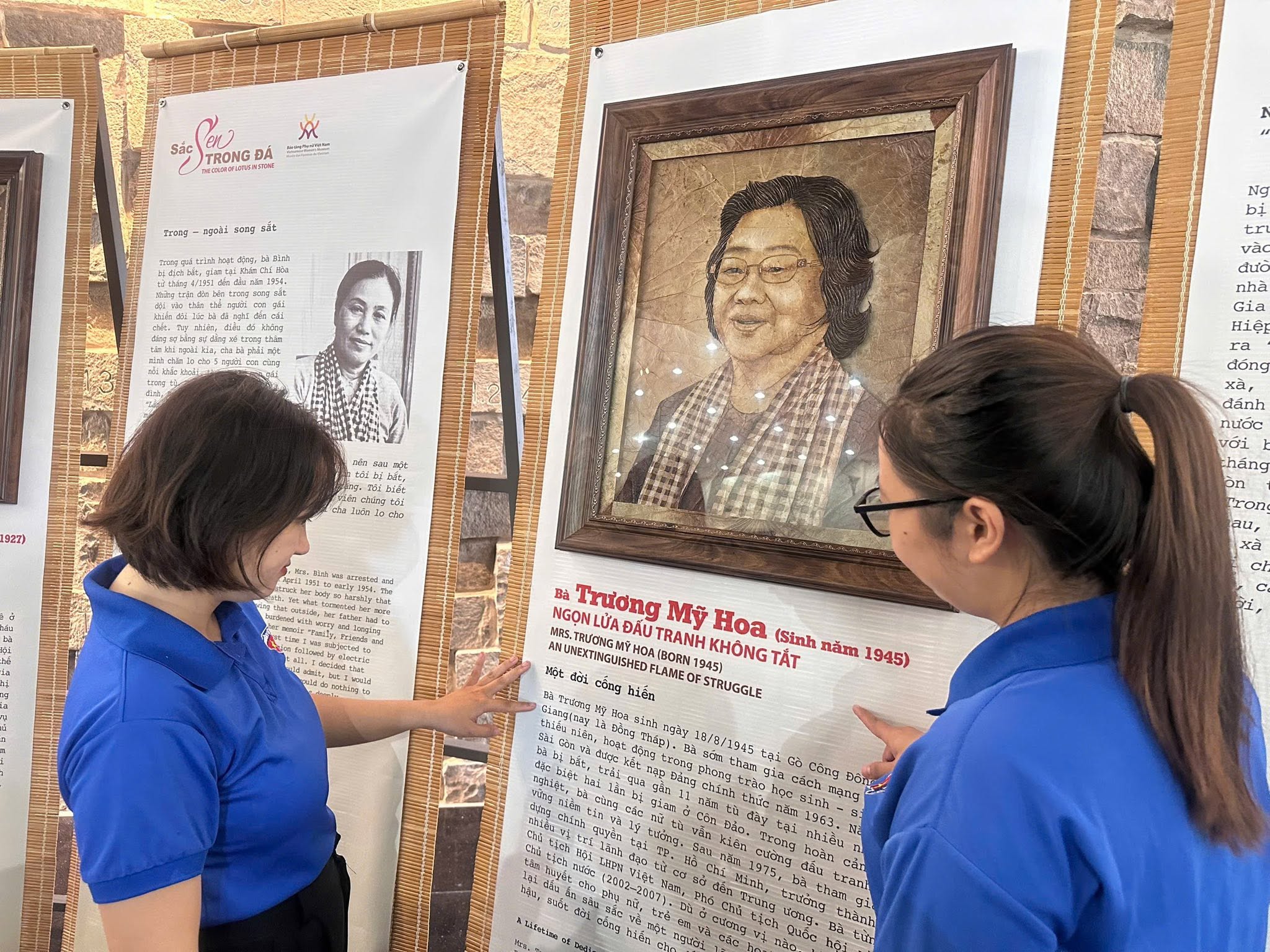
International Women’s Day on 8 March is not only an occasion to recognise the contributions of women today. On Con Dao, it is also an opportunity to reflect on the island’s history and remember the women political prisoners who endured imprisonment and fought for their beliefs.
March brings sunshine to Con Dao’s coastal roads, green hillsides and waves rolling onto the shore. In this peaceful setting, 8 March invites a different kind of reflection: remembering women who experienced war, detention and sacrifice during Vietnam’s struggle for independence.
Elsewhere, the date is often marked by flowers and messages of appreciation. On Con Dao, alongside its wider meaning, the island’s history inspires gratitude towards the mothers, sisters and young women who were imprisoned here. Some never returned home. Others survived the war but carried its memories throughout their lives.
8 March and the memory of women political prisoners on Con Dao
International Women’s Day, observed on 8 March, celebrates women’s contributions, rights and achievements around the world. On Con Dao, it can also provide a starting point for learning about the women who were held as political prisoners during different periods.
The Con Dao prison system was used to imprison and exile generations of Vietnamese patriots and revolutionary activists. Among them were women of different ages, backgrounds and regions, separated from their families and everyday lives.
They faced harsh conditions, including shortages of food, clean water and medicine, as well as interrogation and punishment. For women prisoners, personal hygiene, illness and the absence of suitable medical care could make these circumstances especially difficult.
Yet many maintained their convictions, protected fellow inmates and campaigned for better treatment and more humane conditions. Their history is told not only through moments of open resistance, but also through perseverance, solidarity and kindness in daily life.
Solidarity behind prison walls
Stories of women held on Con Dao describe acts that may seem small but meant a great deal: sharing scarce food, caring for someone who was ill, comforting a fellow prisoner after interrogation, safeguarding a personal keepsake or passing on knowledge and experience.
In a place where freedom had been taken away, care and mutual support became a source of strength. Such actions helped prisoners preserve their dignity, friendships and hope for a future beyond the prison walls.
Memoirs, testimonies and historical collections held at museums and heritage sites remind visitors that behind every statistic or prison building were individual lives, families and aspirations disrupted by war.
The French Tiger Cages and the realities of imprisonment
The French Tiger Cages at Phú Tường Prison are among the most striking surviving features of the Con Dao prison complex. Narrow cells, corridors and facilities for isolation offer visitors a glimpse of the harsh conditions experienced by prisoners.
When visiting these sites, take time to listen to qualified guides, examine the exhibits and consider the particular historical period being described. Distinguishing documented evidence from stories passed down orally helps preserve the history of women prisoners with care and accuracy.
Small keepsakes, enduring memories
Not every memory of imprisonment is linked to a major event. A handkerchief or an embroidered piece of cloth can preserve an entire chapter of someone’s youth, affection for family members and friendship among prisoners.
On 15 October 2026, the Vietnam Military History Museum announced the receipt of keepsakes associated with former women political prisoners from Con Dao. These included an embroidered pillowcase made by Phan Thị Bé Tư, also known as Phan Thị Định, while in detention, and a handkerchief belonging to Đặng Hồng Nhựt.
Preserved over many years, these objects bring individual experiences closer to later generations. They show how people held onto beauty, memories and a sense of human connection even under deeply painful circumstances.
Võ Thị Sáu and the courage of Vietnamese women
One of the most widely remembered women associated with Con Dao is Võ Thị Sáu, a Hero of the People’s Armed Forces. She became involved in revolutionary activities at a young age, was arrested and sentenced to death by French colonial authorities, and was executed on Con Dao on 23 January 1952.
Her short life has become a symbol of patriotism and youthful courage. Her grave at Hàng Dương Cemetery is a place where residents and visitors continue to pay their respects.
Alongside Võ Thị Sáu were countless other women who devoted their youth to the struggle for national independence. Many are not widely known, yet their experiences form an essential part of Con Dao’s history. Visitors may also wish to read about Nguyễn Thị Hoa (Trần Thị Thanh), another woman remembered for her courage.
A meaningful history and remembrance itinerary for 8 March
8 March is not a fixed official memorial day for all women prisoners on Con Dao, nor does it automatically bring a dedicated festival each year. Nevertheless, travellers, students and history groups can choose to explore the island’s heritage respectfully on this date.
Hàng Dương Cemetery
The cemetery is the resting place of many revolutionary prisoners and Vietnamese patriots, including Võ Thị Sáu. Its atmosphere invites visitors to pause, reflect and recognise the sacrifices of previous generations.
The Con Dao Prison historical complex
Sites such as Phú Hải Prison, the French Tiger Cages and the American-era Tiger Cages preserve evidence of prison life and resistance. Guided interpretation and historical context are valuable for an informed visit.
Con Dao Museum
The museum offers an overview of the island’s history, culture and development. Photographs, objects and records help visitors understand the experiences and struggles of prisoners across different periods.
Con Dao Memorial Temple
This place of remembrance honours those who died during struggles for national independence. Visitors can pay their respects and learn about the island’s history in a solemn setting, following the site’s rules.
Before visiting: Discussions, commemorations and community activities associated with 8 March should only be treated as scheduled events when officially announced. Check current opening hours and access rules for each site.
From the courage of past generations to women in Vietnam today
Looking back at the experiences of women political prisoners on Con Dao, what remains is more than the suffering of war. Their stories also reveal determination, ingenuity, compassion and the ability to support others under extraordinary pressure.
They show that courage can appear in major decisions as well as everyday gestures. Their resilience, solidarity and hope continue to inspire women today in education, work, research, family life and community service.
For younger visitors, these stories offer a human way of approaching history and understanding the sacrifices behind the peace enjoyed today.
Con Dao in March: Remembering the past and valuing the present
March on Con Dao still brings sunshine, sea breezes and waves along the shoreline. Former prison cells are now historical monuments; stories once shared quietly have become part of the country’s collective memory.
On International Women’s Day, visitors can honour those who died, express gratitude to women who survived imprisonment and recognise the contributions of women in contemporary society.
Remembering Con Dao’s women political prisoners is a way to safeguard history, so that their courage, compassion and desire for peace remain meaningful to future generations.
Đọc bài viết bằng tiếng Việt · Learn about Võ Thị Sáu’s remembrance day on 23 January.